Scuff Resistance Tester – Ultra
Call for Our Best Deal

Scuff Resistance Tester – Ultra
The Scuff Resistance Tester is a cutting-edge device designed to assess the durability of printed or coated materials by simulating real-world abrasion and friction. It is an essential tool for industries such as packaging, consumer goods, and pharmaceuticals, ensuring that surfaces maintain their appearance and functionality during handling, transportation, and everyday use. By incorporating this advanced testing device, companies can safeguard product quality and uphold brand reputation.
- Model:PKM-SRT
Why Scuff Resistance Tester Matters
The Scuff Resistance Tester plays a crucial role in quality control by replicating conditions that materials encounter during their lifecycle. This helps manufacturers identify vulnerabilities and ensure that products meet durability standards, thereby enhancing:
- Product Quality: Minimize wear, abrasion, and fading.
- Customer Satisfaction: Deliver products that retain appeal and usability.
- Cost Efficiency: Reduce recalls and material waste.
- Regulatory Compliance: Meet stringent industry standards.
Key Features of the Scuff Resistance Tester
Feature | Details |
Real-World Simulation | Replicates handling, transportation, and daily wear conditions |
Customizable Settings | Adjust cycles, speed, and pressure for tailored testing |
Digital Counter | Preset test cycles up to 99999 counts |
Secure Clamping System | Circular clamps hold specimens tightly for accurate results |
Motorized Weight Arrangement | Ensures uniform vertical load application and noise-free operation |
Speed Options | 60 rpm and 45 rpm |
Sample Size Options | 48mm and 120mm |
Power Supply | 220 V AC, Single Phase, 50Hz |
Standards Compliance | BS 3110, ASTM F2497-05 |
How to Use the Scuff Resistance Tester
- Secure the material sample in the tester.
- Set the desired parameters, including friction cycles, speed, and pressure.
- Run the test to simulate real-world conditions.
- Inspect the sample for signs of wear, abrasion, or fading.
Applications Across Industries
- Packaging: Ensure labels and branding remain intact during transit.
- Pharmaceuticals: Maintain legibility of critical information.
- Consumer Goods: Validate coatings on electronics, furniture, and more.
- Printing: Test the durability of books, labels, and brochures.
- Textiles: Assess abrasion resistance of coated fabrics and patterns.
- Automotive: Evaluate the scuff resistance of interior components.
Benefits of Using the Scuff Resistance Tester
- Enhanced Quality: Detect and address material weaknesses early.
- Defect Reduction: Minimize manufacturing defects and related costs.
- Improved Customer Experience: Durable products reduce complaints and returns.
- Reputation Building: Strengthen brand image through reliable products.
- Cost Savings: Prevent costly recalls and replacements.
FAQ Section
Q1: What is the purpose of a Scuff Resistance Tester?
A: The tester evaluates the resistance of printed or coated materials to rubbing, friction, or abrasion, ensuring products maintain their visual appeal and functionality throughout handling and usage.
Q2: Which industries use the Scuff Resistance Tester?
A: Industries such as packaging, printing, textiles, automotive, and consumer goods rely on this device to test material durability.
Q3: How does the tester simulate real-world conditions?
A: By applying controlled friction through mechanical rubbing, with adjustable parameters for speed, pressure, and cycles.
Q4: Does the tester follow international standards?
A: Yes, it complies with ASTM F2497-05 and BS 3110:1959 standards.
Q5: What are the benefits of using this tester?
A: It helps enhance product quality, reduce defects, improve customer satisfaction, and achieve cost savings.
Q6: What is the price range of the Scuff Resistance Tester?
A: Prices typically range between 50,000 to 2,20,000 INR, depending on model and specifications. For detailed pricing, contact Pakmo directly.
Specifications
- Digital Counter: Max count 0 – 99999 with least count of 1
- Weight on Sample: 2 psi
- Speed Options: 60 rpm & 45 rpm
- Sample Sizes: 48mm & 120mm
- Power Supply: 220 V AC, Single Phase, 50Hz
- Standards: BS 3110, ASTM F2497-05
- Paint: Powder coated for durability
- Motorized Weight Arrangement: Ensures precise and noise-free operation
- Synchronous Motor: High-accuracy RPM for consistent outcomes
Safety Lock: Secure upper clamp for safe testing operations
Specifications
- Digital Counter: Max count 0 – 99999 with least count of 1
- Weight on Sample: 2 psi
- Speed Options: 60 rpm & 45 rpm
- Sample Sizes: 48mm & 120mm
- Power Supply: 220 V AC, Single Phase, 50Hz
- Standards: BS 3110, ASTM F2497-05
- Paint: Powder coated for durability
- Motorized Weight Arrangement: Ensures precise and noise-free operation
- Synchronous Motor: High-accuracy RPM for consistent outcomes
- Safety Lock: Secure upper clamp for safe testing operations
Key Features of the Scuff Resistance Tester
Feature | Details |
Real-World Simulation | Replicates handling, transportation, and daily wear conditions |
Customizable Settings | Adjust cycles, speed, and pressure for tailored testing |
Digital Counter | Preset test cycles up to 99999 counts |
Secure Clamping System | Circular clamps hold specimens tightly for accurate results |
Motorized Weight Arrangement | Ensures uniform vertical load application and noise-free operation |
Speed Options | 60 rpm and 45 rpm |
Sample Size Options | 48mm and 120mm |
Power Supply | 220 V AC, Single Phase, 50Hz |
Standards Compliance | BS 3110, ASTM F2497-05 |
A: The tester evaluates the resistance of printed or coated materials to rubbing, friction, or abrasion, ensuring products maintain their visual appeal and functionality throughout handling and usage.
A: Industries such as packaging, printing, textiles, automotive, and consumer goods rely on this device to test material durability.
- A: By applying controlled friction through mechanical rubbing, with adjustable parameters for speed, pressure, and cycles
A: Yes, it complies with ASTM F2497-05 and BS 3110:1959 standards
A: It helps enhance product quality, reduce defects, improve customer satisfaction, and achieve cost savings.

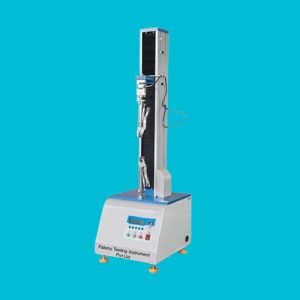
Scuff Resistance Tester – Ultra
Call for Our Best Deal
Scuff Resistance Tester – Ultra
Call for Our Best Deal
Scuff Resistance Tester – Ultra
The Scuff Resistance Tester is a cutting-edge device designed to assess the durability of printed or coated materials by simulating real-world abrasion and friction. It is an essential tool for industries such as packaging, consumer goods, and pharmaceuticals, ensuring that surfaces maintain their appearance and functionality during handling, transportation, and everyday use. By incorporating this advanced testing device, companies can safeguard product quality and uphold brand reputation.
- Model:PKM-SRT
Why Scuff Resistance Tester Matters
The Scuff Resistance Tester plays a crucial role in quality control by replicating conditions that materials encounter during their lifecycle. This helps manufacturers identify vulnerabilities and ensure that products meet durability standards, thereby enhancing:
- Product Quality: Minimize wear, abrasion, and fading.
- Customer Satisfaction: Deliver products that retain appeal and usability.
- Cost Efficiency: Reduce recalls and material waste.
- Regulatory Compliance: Meet stringent industry standards.
Key Features of the Scuff Resistance Tester
Feature | Details |
Real-World Simulation | Replicates handling, transportation, and daily wear conditions |
Customizable Settings | Adjust cycles, speed, and pressure for tailored testing |
Digital Counter | Preset test cycles up to 99999 counts |
Secure Clamping System | Circular clamps hold specimens tightly for accurate results |
Motorized Weight Arrangement | Ensures uniform vertical load application and noise-free operation |
Speed Options | 60 rpm and 45 rpm |
Sample Size Options | 48mm and 120mm |
Power Supply | 220 V AC, Single Phase, 50Hz |
Standards Compliance | BS 3110, ASTM F2497-05 |
How to Use the Scuff Resistance Tester
- Secure the material sample in the tester.
- Set the desired parameters, including friction cycles, speed, and pressure.
- Run the test to simulate real-world conditions.
- Inspect the sample for signs of wear, abrasion, or fading.
Applications Across Industries
- Packaging: Ensure labels and branding remain intact during transit.
- Pharmaceuticals: Maintain legibility of critical information.
- Consumer Goods: Validate coatings on electronics, furniture, and more.
- Printing: Test the durability of books, labels, and brochures.
- Textiles: Assess abrasion resistance of coated fabrics and patterns.
- Automotive: Evaluate the scuff resistance of interior components.
Benefits of Using the Scuff Resistance Tester
- Enhanced Quality: Detect and address material weaknesses early.
- Defect Reduction: Minimize manufacturing defects and related costs.
- Improved Customer Experience: Durable products reduce complaints and returns.
- Reputation Building: Strengthen brand image through reliable products.
- Cost Savings: Prevent costly recalls and replacements.
FAQ Section
Q1: What is the purpose of a Scuff Resistance Tester?
A: The tester evaluates the resistance of printed or coated materials to rubbing, friction, or abrasion, ensuring products maintain their visual appeal and functionality throughout handling and usage.
Q2: Which industries use the Scuff Resistance Tester?
A: Industries such as packaging, printing, textiles, automotive, and consumer goods rely on this device to test material durability.
Q3: How does the tester simulate real-world conditions?
A: By applying controlled friction through mechanical rubbing, with adjustable parameters for speed, pressure, and cycles.
Q4: Does the tester follow international standards?
A: Yes, it complies with ASTM F2497-05 and BS 3110:1959 standards.
Q5: What are the benefits of using this tester?
A: It helps enhance product quality, reduce defects, improve customer satisfaction, and achieve cost savings.
Q6: What is the price range of the Scuff Resistance Tester?
A: Prices typically range between 50,000 to 2,20,000 INR, depending on model and specifications. For detailed pricing, contact Pakmo directly.
Specifications
- Digital Counter: Max count 0 – 99999 with least count of 1
- Weight on Sample: 2 psi
- Speed Options: 60 rpm & 45 rpm
- Sample Sizes: 48mm & 120mm
- Power Supply: 220 V AC, Single Phase, 50Hz
- Standards: BS 3110, ASTM F2497-05
- Paint: Powder coated for durability
- Motorized Weight Arrangement: Ensures precise and noise-free operation
- Synchronous Motor: High-accuracy RPM for consistent outcomes
Safety Lock: Secure upper clamp for safe testing operations
Specifications
- Digital Counter: Max count 0 – 99999 with least count of 1
- Weight on Sample: 2 psi
- Speed Options: 60 rpm & 45 rpm
- Sample Sizes: 48mm & 120mm
- Power Supply: 220 V AC, Single Phase, 50Hz
- Standards: BS 3110, ASTM F2497-05
- Paint: Powder coated for durability
- Motorized Weight Arrangement: Ensures precise and noise-free operation
- Synchronous Motor: High-accuracy RPM for consistent outcomes
- Safety Lock: Secure upper clamp for safe testing operations
Key Features of the Scuff Resistance Tester
Feature | Details |
Real-World Simulation | Replicates handling, transportation, and daily wear conditions |
Customizable Settings | Adjust cycles, speed, and pressure for tailored testing |
Digital Counter | Preset test cycles up to 99999 counts |
Secure Clamping System | Circular clamps hold specimens tightly for accurate results |
Motorized Weight Arrangement | Ensures uniform vertical load application and noise-free operation |
Speed Options | 60 rpm and 45 rpm |
Sample Size Options | 48mm and 120mm |
Power Supply | 220 V AC, Single Phase, 50Hz |
Standards Compliance | BS 3110, ASTM F2497-05 |
A: The tester evaluates the resistance of printed or coated materials to rubbing, friction, or abrasion, ensuring products maintain their visual appeal and functionality throughout handling and usage.
A: Industries such as packaging, printing, textiles, automotive, and consumer goods rely on this device to test material durability.
- A: By applying controlled friction through mechanical rubbing, with adjustable parameters for speed, pressure, and cycles
A: Yes, it complies with ASTM F2497-05 and BS 3110:1959 standards
A: It helps enhance product quality, reduce defects, improve customer satisfaction, and achieve cost savings.