Rubber Testing Instruments
Rubber testing instruments are essential for industries that rely on rubber and elastomer products to meet specific performance and safety standards. From automotive tires and industrial seals to medical devices and consumer goods, rubber is a versatile material that demands rigorous testing to ensure its quality, durability, and functionality.
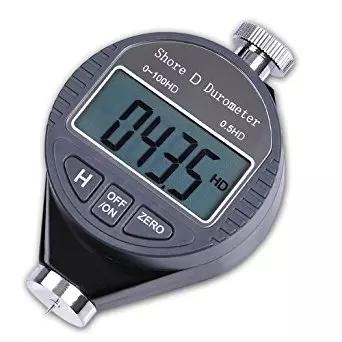
These instruments evaluate critical mechanical, physical, and chemical properties of rubber, including tensile strength, elongation, hardness (Shore A and D), compression set, abrasion resistance, and aging performance under thermal, UV, or chemical exposure. By accurately measuring these parameters, manufacturers can confirm that their rubber materials meet required specifications and will perform well in real-world conditions.
Rubber testing instruments are particularly important in the automotive sector, where components such as tires, belts, and gaskets must endure extreme stress and environmental factors. Testing ensures these parts deliver optimal performance and safety. Similarly, in industrial applications, rubber seals and gaskets must maintain integrity under pressure and resist degradation over time. Testing helps predict these behaviors, saving costs and preventing system failures.
Modern rubber testing instruments are equipped with advanced features like automated testing systems, digital interfaces, and data analysis tools, making the quality control process more efficient while delivering accurate and repeatable results. By using these instruments, manufacturers can reduce defects, comply with international standards like ASTM and ISO, and boost customer satisfaction.
Integrating rubber testing instruments into quality assurance processes enables businesses to produce reliable, high-performing rubber products. This investment not only ensures regulatory compliance but also strengthens brand reputation by consistently delivering quality products that meet or exceed consumer expectations.