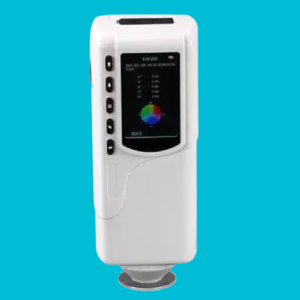
Moisture Analyzer
Call for Our Best Deal

Moisture Analyzer
What is a moisture analyzer, and why is it important? A moisture analyzer is a special instrument that measures the amount of water in raw materials and finished products. This is important because too much or too little moisture can affect product quality, shelf life, and performance. Industries like food processing, pharmaceuticals, and plastics use moisture analyzers to ensure their products stay consistent and meet safety regulations. These devices are simple to use and highly accurate, making them essential for businesses that care about quality.
- Model: PKM-MA
Importance of Moisture Analysis in Industry
Controlling moisture content is crucial for ensuring the quality and performance of materials across various industries. Excess or insufficient moisture can alter the physical and chemical properties of products, leading to reduced durability, performance issues, or spoilage. A moisture analyzer is a high-precision instrument that measures moisture levels in a wide range of materials, enabling manufacturers to regulate and optimize production processes.
Industries such as packaging, pharmaceuticals, food processing, and plastics rely on accurate moisture analysis to maintain product integrity and meet quality standards. For instance:
- Packaging: Moisture can compromise the strength of corrugated sheets and cardboard, affecting product safety.
- Food Industry: Improper moisture levels can lead to spoilage and shorter shelf life.
- Plastics and Polymers: Excess moisture alters chemical composition, weakening the final product.
Working Principle of a Moisture Analyzer
A moisture analyzer operates by determining the weight difference before and after removing moisture from a sample. The process consists of four key steps:
- Sample Placement: A small, pre-weighed sample is placed on the analyzer’s weighing pan.
- Drying: A controlled heating system, such as halogen or infrared lamps, evaporates moisture from the sample.
- Weight Measurement: The analyzer continuously measures the sample’s weight during drying until stabilization.
- Moisture Content Calculation: The difference in weight is used to determine the percentage of moisture in the sample.
This method provides quick and accurate results. Advanced moisture analyzers, such as those offered by Pacorr, integrate modern sensors and automation for consistent performance and ease of use.
What is a Moisture Analyzer?
A moisture analyzer is a specialized device used to precisely measure the moisture content of various materials. Commonly employed in food, packaging, pharmaceuticals, plastics, textiles, and paper industries, it operates by removing moisture through controlled heating and calculating the percentage of moisture based on weight changes.
Applications of a Moisture Analyzer:
- Quality Assurance: Ensures materials meet industry-specific moisture content requirements.
- Minimizing Material Defects: Prevents weakening, spoilage, or chemical instability.
- Regulatory Compliance: Helps industries adhere to strict moisture content standards.
- Cost Efficiency: Reduces waste and optimizes production processes.
- Extended Shelf Life: Prevents spoilage in food and pharmaceutical products.
Problems Solved by Moisture Analyzers
Moisture analyzers help address several manufacturing challenges:
- Weakened Materials: Prevents compromised strength in packaging materials like corrugated sheets.
- Food Spoilage: Reduces microbial growth by maintaining appropriate moisture levels.
- Chemical Instability: Ensures plastics, polymers, and pharmaceuticals maintain their intended properties.
- Production Losses: Minimizes defects in materials, reducing batch rejections and costs.
- Compliance Issues: Helps manufacturers meet moisture content regulations, avoiding penalties.
Benefits of Using a Moisture Analyzer
- Enhanced Accuracy: Delivers precise and reliable moisture measurements.
- Quick Results: Enables fast decision-making during production.
- Ease of Use: Intuitive interfaces and automation make operation simple.
- Improved Product Quality: Ensures materials meet performance expectations.
- Versatility: Suitable for solids, liquids, powders, and more.
- Cost Savings: Prevents moisture-related defects, reducing material waste.
- Regulatory Compliance: Helps manufacturers meet industry standards.
Frequently Asked Questions (FAQ)
Q1: What materials can be analyzed using a moisture analyzer?
A. Moisture analyzers can measure moisture content in various materials, including:
- Solids: Powders, granules, and grains (e.g., flour, sugar, chemical powders)
- Semi-solids: Pastes, gels, adhesives
- Liquids: Oils, creams, and fluid-based substances
- Industrial materials: Plastics, polymers, paper, textiles, and wood
Q2: What heating mechanisms are used in moisture analyzers?
A. Moisture analyzers use halogen lamps, infrared heating, or metal heating elements to efficiently evaporate moisture. Halogen lamps are widely preferred for their quick, uniform heating without damaging the sample.
Q3: What is the temperature range of moisture analyzers?
A. Most moisture analyzers operate between 50°C and 200°C, though advanced models can extend beyond this range to accommodate specific testing requirements.
Q4: How long does it take to fully heat the chamber?
A. The heating chamber typically takes 1 to 5 minutes to reach the target temperature, depending on the model. Halogen-based systems offer rapid heating, ideal for time-sensitive applications.
Q5: Do moisture analyzers support computer connectivity?
A. Yes, modern moisture analyzers include USB or RS232 interfaces for seamless data transfer to computers. This feature simplifies record-keeping, ensures compliance with quality standards, and enhances efficiency by integrating with laboratory management systems.
By investing in a high-quality moisture analyzer, manufacturers can enhance product quality, optimize production processes, and maintain regulatory compliance, ensuring long-term success in their respective industries.
Moisture Analyzer Specifications
- Maximum Capacity: 120g
- Readability (Moisture Content): 1mg / 0.01% (for samples > 5g)
- Pan Size: 90mm
- Heater Type: Halogen
- In-Use Cover: Included
- Net Weight: 7kg
- Power Supply: 230V, 300VA
- Shut-off Criteria: Manual / Auto
- Temperature Range: 40°C – 250°C
- Sampling Time: 1 – 180 seconds
- Maximum Drying Time: 10 hours
- Chamber Heating Time (to 100°C): 3 minutes
- Dimensions (W × D × H): 215mm × 345mm × 200mm
- Unit of Measurement: % Moisture Content
- Communication Interface: RS232
Moisture Analyzer – Key Features
- High Repeatability: Ensures consistent and reliable test results.
- Robust Construction: Built for long life and operational stability.
- User-Friendly Operation: Simple interface for ease of use.
- Efficient Heating System: Halogen lamp ensures effective and uniform heating.
A moisture analyzer is a device used to measure the moisture content in a sample by using the loss-on-drying (LOD) principle, where the sample is heated, and the weight loss due to evaporation is measured.
It weighs the sample before and after heating, calculating the moisture percentage based on the weight difference.
They are used in food, pharmaceuticals, chemicals, plastics, agriculture, and construction industries to ensure product quality and compliance.
Moisture analyzers work with powders, granules, liquids, pastes, and solid materials such as food ingredients, chemicals, and paper.
- Use a small, even layer of sample (typically 1-10g).
- Ensure the sample is spread evenly on the pan for accurate results.
- If necessary, pre-grind solid samples for better consistency.
Moisture Analyzer
Call for Our Best Deal
Moisture Analyzer
Call for Our Best Deal
Moisture Analyzer
What is a moisture analyzer, and why is it important? A moisture analyzer is a special instrument that measures the amount of water in raw materials and finished products. This is important because too much or too little moisture can affect product quality, shelf life, and performance. Industries like food processing, pharmaceuticals, and plastics use moisture analyzers to ensure their products stay consistent and meet safety regulations. These devices are simple to use and highly accurate, making them essential for businesses that care about quality.
- Model: PKM-MA
Importance of Moisture Analysis in Industry
Controlling moisture content is crucial for ensuring the quality and performance of materials across various industries. Excess or insufficient moisture can alter the physical and chemical properties of products, leading to reduced durability, performance issues, or spoilage. A moisture analyzer is a high-precision instrument that measures moisture levels in a wide range of materials, enabling manufacturers to regulate and optimize production processes.
Industries such as packaging, pharmaceuticals, food processing, and plastics rely on accurate moisture analysis to maintain product integrity and meet quality standards. For instance:
- Packaging: Moisture can compromise the strength of corrugated sheets and cardboard, affecting product safety.
- Food Industry: Improper moisture levels can lead to spoilage and shorter shelf life.
- Plastics and Polymers: Excess moisture alters chemical composition, weakening the final product.
Working Principle of a Moisture Analyzer
A moisture analyzer operates by determining the weight difference before and after removing moisture from a sample. The process consists of four key steps:
- Sample Placement: A small, pre-weighed sample is placed on the analyzer’s weighing pan.
- Drying: A controlled heating system, such as halogen or infrared lamps, evaporates moisture from the sample.
- Weight Measurement: The analyzer continuously measures the sample’s weight during drying until stabilization.
- Moisture Content Calculation: The difference in weight is used to determine the percentage of moisture in the sample.
This method provides quick and accurate results. Advanced moisture analyzers, such as those offered by Pacorr, integrate modern sensors and automation for consistent performance and ease of use.
What is a Moisture Analyzer?
A moisture analyzer is a specialized device used to precisely measure the moisture content of various materials. Commonly employed in food, packaging, pharmaceuticals, plastics, textiles, and paper industries, it operates by removing moisture through controlled heating and calculating the percentage of moisture based on weight changes.
Applications of a Moisture Analyzer:
- Quality Assurance: Ensures materials meet industry-specific moisture content requirements.
- Minimizing Material Defects: Prevents weakening, spoilage, or chemical instability.
- Regulatory Compliance: Helps industries adhere to strict moisture content standards.
- Cost Efficiency: Reduces waste and optimizes production processes.
- Extended Shelf Life: Prevents spoilage in food and pharmaceutical products.
Problems Solved by Moisture Analyzers
Moisture analyzers help address several manufacturing challenges:
- Weakened Materials: Prevents compromised strength in packaging materials like corrugated sheets.
- Food Spoilage: Reduces microbial growth by maintaining appropriate moisture levels.
- Chemical Instability: Ensures plastics, polymers, and pharmaceuticals maintain their intended properties.
- Production Losses: Minimizes defects in materials, reducing batch rejections and costs.
- Compliance Issues: Helps manufacturers meet moisture content regulations, avoiding penalties.
Benefits of Using a Moisture Analyzer
- Enhanced Accuracy: Delivers precise and reliable moisture measurements.
- Quick Results: Enables fast decision-making during production.
- Ease of Use: Intuitive interfaces and automation make operation simple.
- Improved Product Quality: Ensures materials meet performance expectations.
- Versatility: Suitable for solids, liquids, powders, and more.
- Cost Savings: Prevents moisture-related defects, reducing material waste.
- Regulatory Compliance: Helps manufacturers meet industry standards.
Frequently Asked Questions (FAQ)
Q1: What materials can be analyzed using a moisture analyzer?
A. Moisture analyzers can measure moisture content in various materials, including:
- Solids: Powders, granules, and grains (e.g., flour, sugar, chemical powders)
- Semi-solids: Pastes, gels, adhesives
- Liquids: Oils, creams, and fluid-based substances
- Industrial materials: Plastics, polymers, paper, textiles, and wood
Q2: What heating mechanisms are used in moisture analyzers?
A. Moisture analyzers use halogen lamps, infrared heating, or metal heating elements to efficiently evaporate moisture. Halogen lamps are widely preferred for their quick, uniform heating without damaging the sample.
Q3: What is the temperature range of moisture analyzers?
A. Most moisture analyzers operate between 50°C and 200°C, though advanced models can extend beyond this range to accommodate specific testing requirements.
Q4: How long does it take to fully heat the chamber?
A. The heating chamber typically takes 1 to 5 minutes to reach the target temperature, depending on the model. Halogen-based systems offer rapid heating, ideal for time-sensitive applications.
Q5: Do moisture analyzers support computer connectivity?
A. Yes, modern moisture analyzers include USB or RS232 interfaces for seamless data transfer to computers. This feature simplifies record-keeping, ensures compliance with quality standards, and enhances efficiency by integrating with laboratory management systems.
By investing in a high-quality moisture analyzer, manufacturers can enhance product quality, optimize production processes, and maintain regulatory compliance, ensuring long-term success in their respective industries.
Moisture Analyzer Specifications
- Maximum Capacity: 120g
- Readability (Moisture Content): 1mg / 0.01% (for samples > 5g)
- Pan Size: 90mm
- Heater Type: Halogen
- In-Use Cover: Included
- Net Weight: 7kg
- Power Supply: 230V, 300VA
- Shut-off Criteria: Manual / Auto
- Temperature Range: 40°C – 250°C
- Sampling Time: 1 – 180 seconds
- Maximum Drying Time: 10 hours
- Chamber Heating Time (to 100°C): 3 minutes
- Dimensions (W × D × H): 215mm × 345mm × 200mm
- Unit of Measurement: % Moisture Content
- Communication Interface: RS232
Moisture Analyzer – Key Features
- High Repeatability: Ensures consistent and reliable test results.
- Robust Construction: Built for long life and operational stability.
- User-Friendly Operation: Simple interface for ease of use.
- Efficient Heating System: Halogen lamp ensures effective and uniform heating.
A moisture analyzer is a device used to measure the moisture content in a sample by using the loss-on-drying (LOD) principle, where the sample is heated, and the weight loss due to evaporation is measured.
It weighs the sample before and after heating, calculating the moisture percentage based on the weight difference.
They are used in food, pharmaceuticals, chemicals, plastics, agriculture, and construction industries to ensure product quality and compliance.
Moisture analyzers work with powders, granules, liquids, pastes, and solid materials such as food ingredients, chemicals, and paper.
- Use a small, even layer of sample (typically 1-10g).
- Ensure the sample is spread evenly on the pan for accurate results.
- If necessary, pre-grind solid samples for better consistency.